Signs You Need Water Line Repair: Don't Wait Until It's Too Late
Water line problems frequently go undetected until considerable damage has already taken place. Homeowners may experience sudden spikes in their water bills or notice strange sounds from their plumbing. Other warning signs, including foundation cracks or unexplained moisture in the yard, can similarly suggest deeper problems. Recognizing these warning signs is critical for making repairs in a timely manner. Disregarding these signals could lead to significant financial consequences, making it essential to stay informed about what to look for before serious damage occurs.
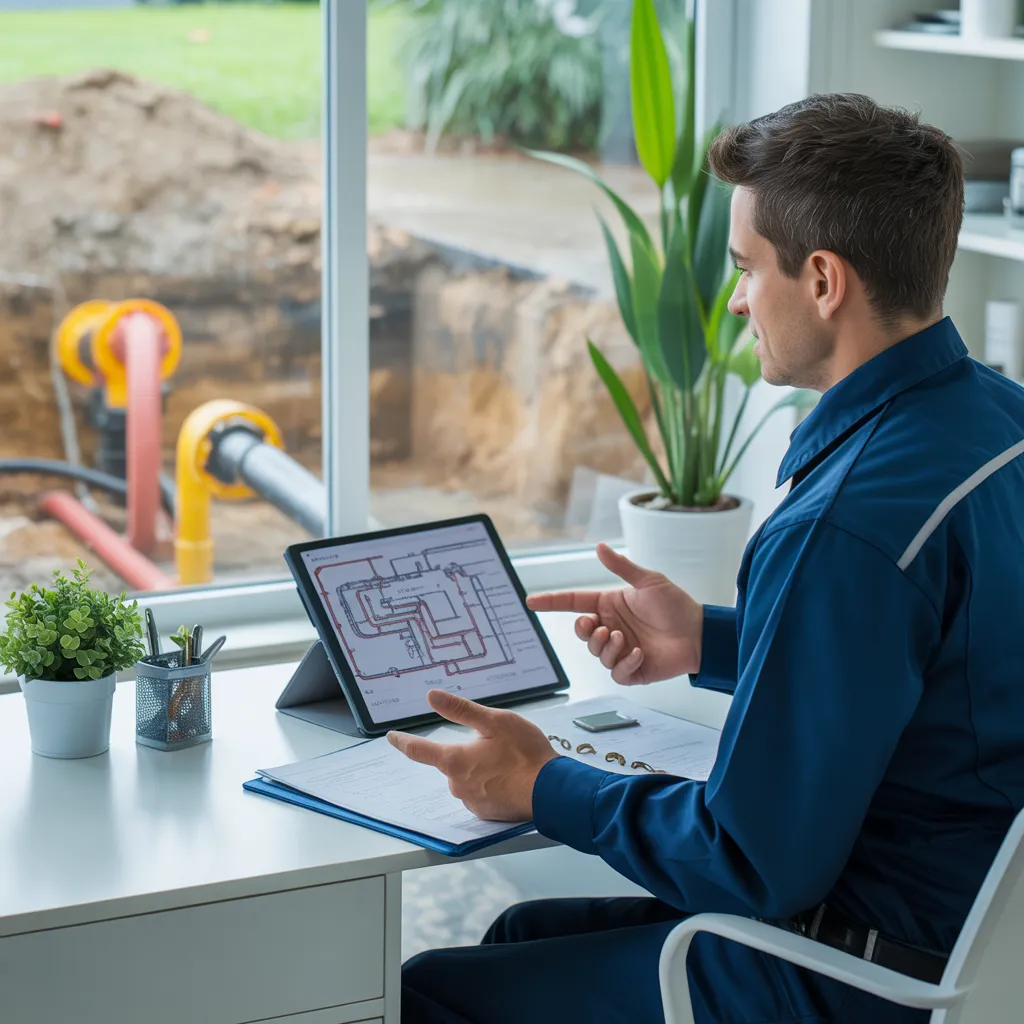
Unexpected Water Bills: What They May Signal
What could be causing an unexpected spike in water bills? A number of elements may play a role in this situation, with one of the primary concerns being concealed leaks within plumbing networks. These leaks might form in walls, below floors, or throughout buried pipe systems, often going unnoticed until they greatly impact water usage. An additional element could be defective household appliances, such as dishwashers or washing machines, which may malfunction and waste water. Additionally, increased water usage due to seasonal changes, such as irrigating lawns or filling a swimming pool, may further clarify the uptick in expenses. Changes in household occupancy, such as guests staying longer than anticipated, can compound the problem even more. In addition, inaccuracies in charges from the water utility, albeit uncommon, can nevertheless produce surprising costs. Determining the underlying cause is critical for resolving the problem and avoiding future increases in water costs.
How to Spot Water Damage in Your Home
Unexplained rises in water bills could point to hidden issues within a home, including moisture-related damage. Property owners should remain alert to warning signals that point to the presence of water-related harm. Dark spots on walls or ceilings often points to hidden leaks within structural components. A persistent damp smell may signal mold growth, a common consequence of long-term moisture accumulation. Additionally, deteriorating paint or lifting wallpaper can indicate that water is infiltrating, weakening the integrity of affected surfaces.
Flooring that appears warped or buckled may also be a revealing sign, as can damp spots found in basements or crawl spaces. Periodically examining appliances and plumbing fixtures for leaks can help detect issues before they worsen. By identifying these signs promptly, homeowners can take necessary action, preventing further damage and costly repairs. Overlooking these warning signs can result in more serious outcomes, making prompt detection critical for preserving a safe and healthy home.
How Low Water Pressure Is Linked to Water Line Problems
Low water pressure can be a significant indicator of hidden water line issues in a home. When the water supply weakens, it frequently indicates issues such as pipe leaks, clogs, or corrosion. Such issues may result in additional damage if not treated in a timely manner. For instance, a pipe leak can cause water waste and higher energy costs, while obstructions can result in debris buildup and long-term pipe damage.
Additionally, reduced water pressure can impact several fixtures, implying that the root cause resides in the primary supply line rather than specific taps. Property owners should stay watchful; an unexpected reduction in water pressure, especially if accompanied by discolored water or unusual noises, generally demands urgent attention. Handling these warning signs proactively can help avoid costly fixes and widespread damage, ensuring the plumbing system remains efficient and reliable.
Could Foundation Cracks Signal Water Line Issues?
While foundation cracks may seem like a common issue in homes, they can also suggest hidden concerns with the water line. Leaks caused by damaged or deteriorating pipes can waterlog the earth beneath a foundation, causing excessive pressure that ultimately leads to cracking. These fractures can present themselves as horizontal or vertical splits, frequently widening over time when left untreated.
Homeowners should be vigilant, as the presence of foundation cracks may signal that moisture is penetrating beneath the surface, compromising structural integrity. If these cracks are accompanied by signs of uneven settling or shifting, this may serve as a further sign of possible water line concerns. Moreover, if the cracks begin to widen or new ones appear, seeking the guidance of a professional is recommended. Timely action can help avoid more significant damage to the foundation and water line, protecting homeowners from significant repair costs over time.
Recognizing Strange Wet Areas in Your Yard
When homeowners notice unusual damp spots in their yard, it can signal potential issues with the underground water line. These wet areas can emerge without warning, often contrasting with the surrounding dry areas. These spots can also come with heightened plant growth, as excess water creates fertile ground for plants. Property owners need to monitor the dimensions and longevity of these moist zones; should they grow larger or stay wet over time, this signals a potential leak in the water line.
Moreover, if the moisture-prone zones produce an unpleasant odor or attract pests, these are clear signs of underlying issues. Routine examination of the landscape can make it easier to spot these problems at an early stage, allowing for early remediation. Ignoring such signs can contribute to severe water damage, escalating maintenance costs, and serious damage to the structural foundation. Immediate attention is necessary to handle any challenges regarding the water line and maintain the health of the property's exterior.
What Gurgling or Bubbling Pipe Sounds Signal
Bubbling or gurgling noises in pipes could point to several underlying concerns. These noises often indicate trapped air in the plumbing system, which can result in blocked drainage issues or even early signs of pipe corrosion. Tackling these sounds without delay can help prevent further serious plumbing problems.
Air Locked in Pipes
What could be causing those strange bubbling or gurgling sounds in the pipes? A frequent cause is trapped air inside the plumbing system. When air pockets form, they interfere with the regular water flow, resulting in those distinctive noises. This problem often develops as a result of changes in water pressure or improper installation. In some cases, air may infiltrate the pipes through leaks or compromised fittings, making the issue more severe. Residents may observe these sounds more frequently during periods of high water demand or when fixtures are repeatedly activated. Ignoring this issue can result in more serious plumbing issues, highlighting the importance of timely identification. Recognizing the signs of trapped air is critical to keeping a healthy plumbing system and avoiding expensive repairs.
Obstructed Drainage Concerns
Unusual bubbling or gurgling noises in drain pipes can often indicate drainage blockage problems within a pipe system. These noises commonly occur when air becomes trapped within the pipes, struggling to escape through a partially obstructed drain. Such blockages can stem from accumulated debris, grease buildup, or foreign objects lodged in the pipes. When left untreated, these problems may develop into more significant complications, such as sluggish drainage, foul odors, or even sewage overflow. Homeowners should pay close attention to these auditory warnings, as they might suggest the need for urgent inspection and necessary repairs. Disregarding these indicators may amplify the problem, resulting in expensive repairs and possible property damage. Early intervention is key to resolving the issue effectively.
Indicators of Pipe Corrosion
Multiple indicators of pipe corrosion can manifest as bubbling or gurgling noises within pipe systems. These sounds often signal pockets of trapped air or gas, stemming from pipes that are deteriorating. As pipe corrosion develops, small holes or leaks can form, allowing air to enter the water line. This interference disrupts normal water flow, causing unusual sounds. Moreover, bubbling sounds may indicate that water is finding it difficult to flow through corroded sections, creating a buildup of pressure. Homeowners should take these auditory warnings seriously, as they could indicate more serious problems that necessitate immediate action. Ignoring such signs can cause major plumbing failures, resulting in costly repairs and potential water damage. Early intervention is key to maintaining a healthy plumbing system.
How to Detect Your Water Line and Inspect for Problems
Locating the position of the water line is essential for proper upkeep and repair work. Homeowners should be aware of warning signs of damage, such as unexpected wet areas or reduced water pressure. Detecting these signs at an early stage can help avoid more significant complications from occurring.
Locate Water Line Position
How are homeowners able to successfully pinpoint their water lines and recognize potential concerns? To begin, reviewing any existing property blueprints or survey maps is recommended, as these documents frequently show the water line's route. Next, they can look for access points such as outdoor faucets or irrigation systems that may reveal the line's location. In addition, using a metal detector offers an effective method for discovering buried lines, especially in cases where the pipes are constructed of metal. Tracking water bills for irregular surges can also serve as a warning sign of underlying issues that need to be addressed. Finally, checking for changes in the landscape, such as unexplained wet spots or sinkholes, can help pinpoint potential problems. Identifying the water line's location is essential for proactive maintenance and repair.
Indicators of Damage
When homeowners suspect issues with their water lines, several signs can indicate potential damage. Unexpected spikes in water bills frequently indicate leaks, as moisture accumulation in the yard or close to the foundation may suggest water line breaks. Furthermore, an abrupt decrease in water pressure may indicate clogs or breaks within the line. Residents should also pay attention to explore now strange noises, like gurgling or hissing, which could indicate air pockets in the lines or water escaping. Noticeable mold or mildew growth in basements or crawl spaces may also be a sign of water line concerns. Routine checkups and recognition of these warning signs can assist property owners in resolving problems promptly, avoiding severe damage and expensive repairs.
The Importance of Prompt Water Line Repairs
Why does addressing water line problems quickly matter so much? Timely repairs can prevent minor leaks from escalating into major problems that cause extensive damage to property and infrastructure. A minor leak may not seem like a big concern at first, yet it can result in mold development, structural weakening, and rising water costs. Additionally, unresolved issues can disrupt daily routines, causing inconvenience and potential health hazards.
Timely repairs also protect water supply quality. Contaminants can enter through damaged lines, posing risks to health. In addition, tackling water line concerns quickly can save homeowners significant repair costs in the long run. Delaying repairs often results in more extensive damage, creating increased financial burdens and prolonged restoration periods.
Frequently Asked Questions
How Often Should I Inspect My Water Lines for Issues?
Property owners should check their water lines at minimum once annually for potential concerns. Routine inspections can help detect leaks or corrosion at an early stage, avoiding expensive repairs and guaranteeing the smooth operation of the plumbing system.
Can Tree Roots Damage My Water Line?
Absolutely, tree roots may affect water lines. They can invade pipes through small openings, causing clogs or damage. Periodic inspections are vital to avoid major problems and protect the water supply system.
What Are the Long-Term Effects of Ignoring Water Line Problems?
Overlooking problems with water lines can lead to extensive damage to your home, rising water bills, mold formation, and deterioration of structural integrity. Long-term neglect may result in costly repairs, significant health risks, and significant financial burdens for residential property owners.
How Can I Prevent Future Water Line Damage?
Routine upkeep, such as checking for leaks, maintaining adequate drainage, and avoiding heavy landscaping overlines, can substantially decrease potential water line issues. Additionally, timely repairs and professional inspections improve the overall lifespan and performance of the system.
Will Homeowners' Insurance Policies Pay for Water Line Repairs?
Home insurance policies may provide coverage for water line repairs, but coverage typically varies based on the cause of the damage. It's important for homeowners to carefully examine their individual policy details and reach out to their insurance company for further clarification.